

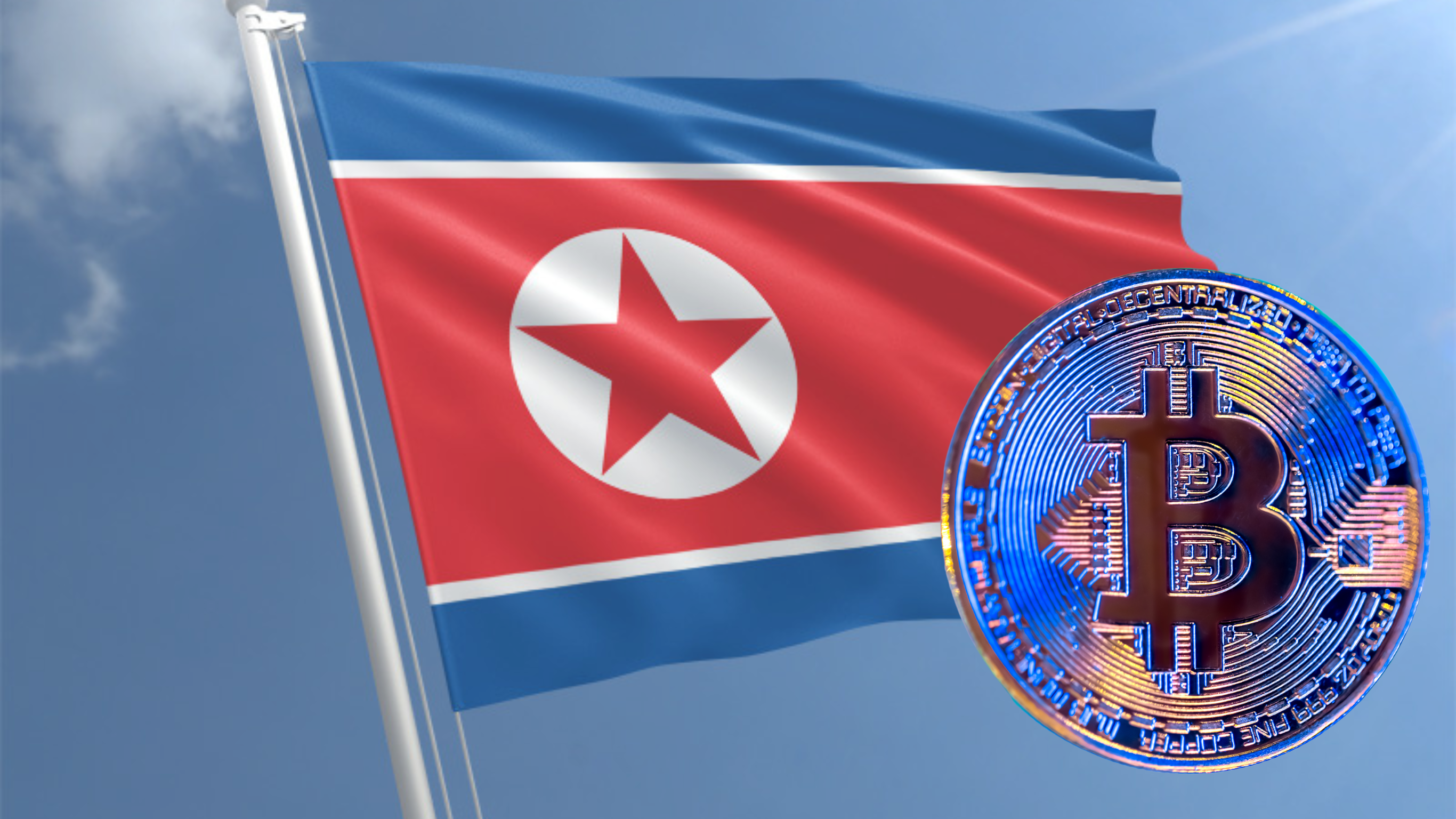
In a dramatic twist, North Korean hackers have been identified as those involved in a massive $659 million worth of cryptocurrency stolen in 2024 by Japan, South Korea, and America. The development comes at a time that reflects on the severity with which North Korea’s cybercrime activities have to be treated, as these are primarily targeted at funding its illegal weapons development.
Some of these high-profile hacking attempts involved North Korea stealing $235 million from WazirX, which is a bitcoin exchange in India. The hackers also stole $50 million from Radiant Capital as well as around $374 million from other platforms that included Upbit, Rain Management, and DMM Bitcoin. The operation is a serious escalation in North Korea hacking, according to a joint report that is available on Tuesday.
All three countries have targeted some North Korean hacking groups, specifically the Lazarus Group, as sanction subjects. Their activities have also displayed a consistent pattern of bad faith, with sophisticated tactics that are more likely to involve malware. The trend is a growing threat in global finance, which is a source of concern about digital assets’ security.
The declaration is a warning signal sent across to the blockchain sector. The joint declaration explicitly highlights, “The DPRK’s cyber program poses a serious threat to the stability and integrity of the global financial system.” The declaration is a reminder that vigilance is essential in the sector. Speaking in a collective effort, the three nations reaffirmed that they are in agreement on stopping North Korea-associated break-ins. They are looking at retrieving stolen goods as well as stopping funding by the regime on its weapons of mass destruction as well as its ballistic missiles projects. The three also invited private companies to thoroughly examine notifications from each government. This will boost defenses in terms of cybercrime as well as reduce the risk of inadvertently having North Korean IT personnel.
With North Korea continuing its development in its cyber strategies, Japan, America, and South Korea have a single message: collective effort is essential in tackling these menaces. The situation is critical, and a collective effort is more urgently in demand than ever before. The fight with North Korean crime in virtual space will be a demanding effort that calls on vigilance as much from nations as from private sectors.
(YONHAP)