
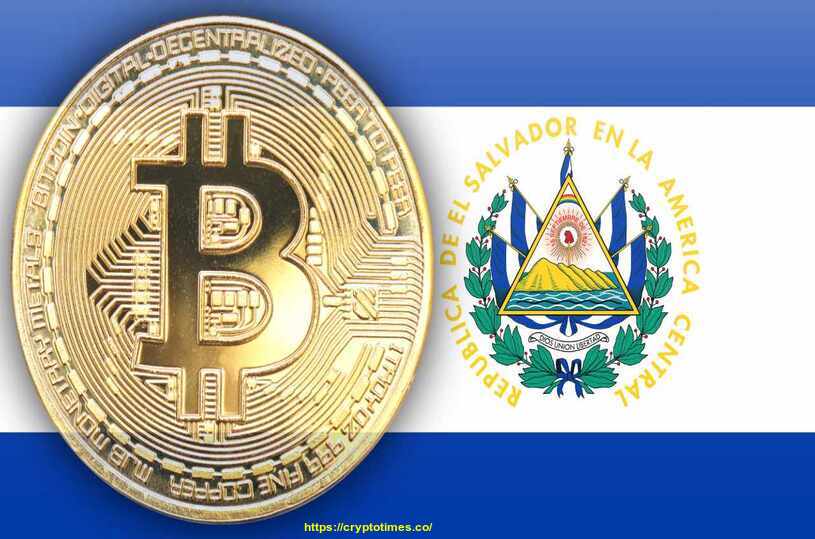
El Salvador hit the headlines in 2021 when it became the world’s first country to take Bitcoin as legal tender. But barely three years on, the government changed its mind, largely under pressure from the International Monetary Fund (IMF). What did not work in this pioneering crypto experiment?
The Initial Push for Bitcoin
When the law took effect, Bitcoin was not just legal but compulsory. Businesses were required to accept it, and the government started receiving taxes in Bitcoin. To facilitate easier transactions, the government introduced the Chivo wallet, a smartphone app meant to assist citizens in utilizing Bitcoin. Consumers were given $30 worth of Bitcoin as an incentive to download the app.
Although this was done, most Salvadorans were still skeptical. Only 15% of the population had trust in Bitcoin, while 70% did not want to adopt it. Individuals could continue to use the U.S. dollar, the official currency since 2001, so many chose to boycott Bitcoin.
Public Reaction and Challenges
Though the global crypto community was in favor of the law, a majority of Salvadorans took to the streets to demonstrate against it. The critics noted that the majority of merchants were not ready to receive Bitcoin. Furthermore, a high percentage of citizens had no bank accounts and preferred cash payments for many businesses. The fact that Bitcoin fluctuated in value made the merchants conservative, as changes in value would result in losses.
Outcomes of the Bitcoin Experiment
The experiment took almost four years and generated largely negative returns. Although the tourism experienced a positive boost with a 20% rise in visitors in 2024, the majority of Salvadorans just didn’t give Bitcoin a look. By 2024, a report confirmed that 92% did not make transactions through Bitcoin, while only 1.3% of remittances were transmitted via the currency.
The Chivo wallet faced technical difficulties and multiple hacking incidents, further eroding public trust. A 2022 survey indicated that 86% of local businesses had no Bitcoin transactions, and 91.7% reported no impact from Bitcoin adoption.
The Reversal Decision
In January 2025, Salvadoran Congress concurred to make changes to the Bitcoin law to obtain a $1.4 billion loan from the IMF. One of the conditions was revoking Bitcoin’s legal tender status. Now companies can decide to accept Bitcoin or not for transactions, resolving its volatility concerns.
Despite this policy change, the government is still pro-crypto. On February 4, 2025, El Salvador’s Bitcoin Office announced the purchase of 12 BTC worth more than $1.1 million. The total reserves of Bitcoin in the country now stand at 6,068 BTC, valued at more than $592 million.
The future of Bitcoin in El Salvador is still unclear as the country continues to march forward.