
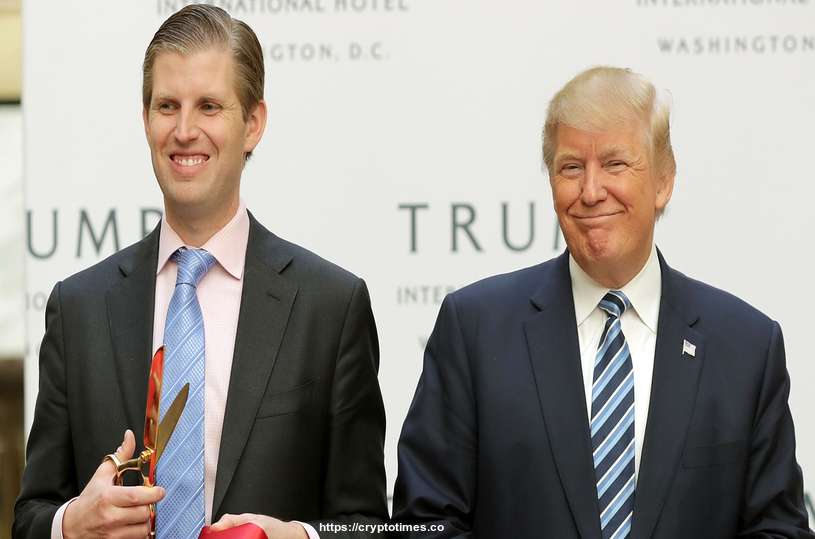
A revolutionary tax suggestion aimed at remodeling America’s landscape for cryptocurrency came into light in which a tax holiday on indigenous blockchain ventures will be followed for higher charges imposed on global operations. Introduced by Trump Organization representative Eric Trump, the drive attempts to re-designate America as the pre-eminent block and chain innovations country.
The framework suggested would waive tax liabilities for eligible US-domestic cryptocurrency businesses, potentially aiding big players like Coinbase, Circle, Cardano, and Ripple. This policy follows successful strategies by crypto-supportive countries like Switzerland, Singapore, and El Salvador, which have drawn blockchain companies through benevolent tax treatment.
Industry players have posed both prospects and concerns regarding the proposal’s impact. While proponents see it as a stimulus for local blockchain innovation, opponents point to potential drawbacks, such as:
- Dramatic decreases in government tax collections from a more lucrative industry
- Market imbalances in favor of incumbent US firms over foreign competitors
- Possible impediments to worldwide blockchain innovation and cooperation
The proposal finds itself within a larger framework of global cryptocurrency regulation. While the United States contemplates this tax-beneficial strategy, other countries are more stringent in their regulation. India, for instance, has taken more restrictive measures, such as stringent banking requirements and high tax penalties for crypto transactions.
Dennis Porter, on behalf of the Satoshi Act Fund, has expressed doubt regarding the absolute abolition of capital gains taxes on cryptocurrency due to revenue concerns and feasibility issues.
The proposal is part of other notable policy changes, such as an executive order to create a cryptocurrency working group and efforts to safeguard banking services for blockchain firms. Significantly, the order also touches on CBDC concerns.
This regulatory divergence among countries may redefine global cryptocurrency markets, possibly determining where blockchain innovations occur and how global crypto firms conduct business in the next few years.